







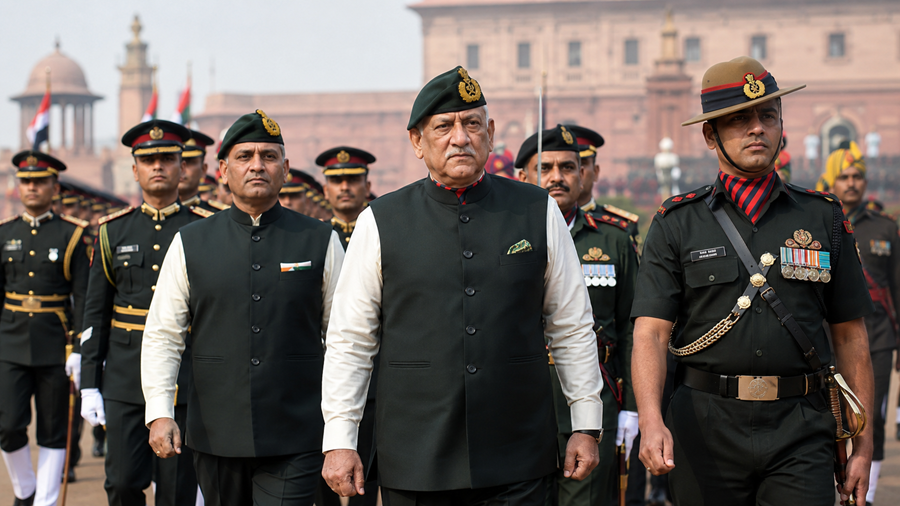
Indian Army Uniforms 2026 – The Indian Army has released the Army Uniforms 2026 manual, marking its first comprehensive dress regulation update in eight years.
The new guidelines introduce indigenous Bandi jackets, a modern winter working dress, revised ceremonial protocols, and the removal of several colonial-era terms and practices.
Quick Summary
• Indian Army has issued the Army Uniforms 2026 manual.
• The 174-page document is the first major dress regulation update in eight years.
• Indigenous Bandi jackets have been approved as formal attire for officers.
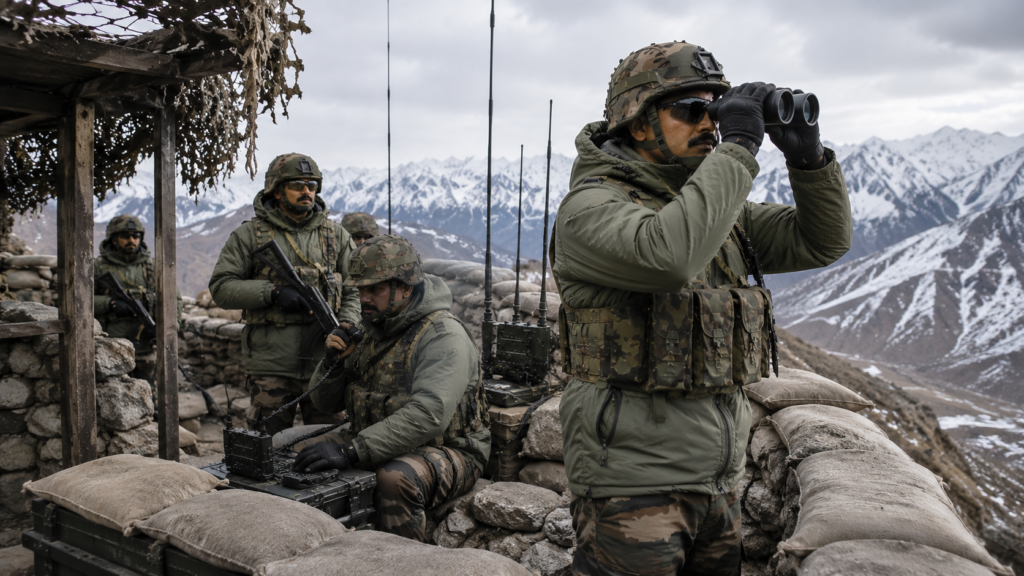
• A new Battle Jacket-based winter working dress has been introduced.
• Several colonial-era practices and terminology have been removed.
• Updated ceremonial protocols limit sword carriage to designated personnel.
Key Facts
| Item | Details |
|---|---|
| Manual Name | Army Uniforms 2026 |
| Release Date | June 2026 |
| Length | 174 Pages |
| Previous Revision | 2018 |
| New Formal Attire | Bandi Jacket |
| New Winter Dress | Battle Jacket-based Dress 3B |
| Transition Deadline | June 2029 |
| Major Objective | Modernization and removal of colonial-era practices |
Indian Army Uniforms 2026
The revised regulations are also part of a broader effort to align military traditions with contemporary Indian identity while maintaining the discipline, functionality, and heritage associated with Army service.
What Happened?
The Indian Army Uniforms 2026 pamphlet replaces previous dress regulations and establishes updated standards for personnel across all ranks.
One of the most visible changes is the introduction of the indigenous Bandi jacket as an approved formal civil dress option for officers.
The Army has also revised ceremonial practices by making sword carriage optional for Reviewing Officers during parades.
However, swords will continue to be authorized for parade commanders, contingent commanders, and designated personnel participating in major ceremonial events such as Republic Day celebrations.
In addition, several colonial-era references and terminology, including the use of the word “Royal” in official dress regulations, have been removed from the updated manual.
Why It Matters
Uniform regulations play an important role in maintaining discipline, identity, and operational efficiency within the armed forces.
The latest reforms reflect the Army’s effort to modernize its appearance while incorporating elements that better represent India’s cultural heritage.
The move also aligns with broader government initiatives aimed at reducing colonial-era influences across institutions and replacing them with practices that reflect contemporary Indian values.
Background Context
The Indian Army periodically updates its uniform and dress regulations to address operational requirements, evolving military standards, and administrative needs.
The previous comprehensive dress regulation manual was issued approximately eight years ago.
Since then, the Army has introduced new combat uniforms, digital camouflage patterns, and modernization initiatives focused on functionality and comfort.
Army Uniforms 2026 builds on those reforms by expanding updates beyond combat clothing to include ceremonial attire, formal dress, and grooming standards.
Indian Army Uniforms 2026: Key Changes
Introduction of Bandi Jackets
Officers are now authorized to wear the traditional closed-neck Bandi jacket as part of formal civil attire.
The garment is designed to be worn over a full-sleeved shirt with formal trousers and closed footwear.
The inclusion of the Bandi jacket represents one of the most visible shifts toward indigenous dress elements within official Army attire.
New Winter Working Dress
A Battle Jacket-based winter working dress has been introduced for personnel of all ranks.
The new winter uniform consists of:
• Angola shirt
• Battle Jacket
• Beret
The Army plans a phased transition from the existing jersey-based Dress 3A system to the new winter dress, with full implementation targeted by June 2029.
Revised Ceremonial Protocols
The updated regulations make sword carriage optional for Reviewing Officers during ceremonial events.
However, ceremonial swords remain authorized for:
• Parade Commanders
• Contingent Commanders
• Designated ceremonial personnel
• Major national events including Republic Day
Changes to Mess Dress
Pouch belts have been removed from Mess Dress Nos. 5 and 6.
They will continue to be authorized for certain arms and services up to the rank of Colonel during regimental and corps-level functions.
Removal of Colonial-Era Terminology
The Army has removed several colonial-era references from official dress regulations.
The most notable change is the discontinuation of the word “Royal” from official usage where applicable under the updated dress code framework.
Industry and Public Impact
Impact on Defence Personnel
Army personnel will gradually transition to updated dress standards designed to improve functionality and standardization.
Impact on Defence Manufacturing
Changes in dress regulations may create future procurement opportunities for textile manufacturers, uniform suppliers, and military equipment vendors supporting Army requirements.
Impact on Government Modernization Efforts
The reforms support broader initiatives focused on strengthening indigenous identity within national institutions while preserving military traditions.
Relevance for Hyderabad and Telangana
Hyderabad remains one of India’s major defence and military-industrial hubs, hosting several defence establishments, research institutions, and manufacturing facilities.
Any modernization initiative within the armed forces may have downstream implications for suppliers, logistics providers, and defence-related industries operating in Telangana.
Timeline of Events
| Year | Event |
| 2018 | Previous comprehensive dress regulations issued |
| 2022 | New digital combat uniform introduced |
| June 2026 | Army Uniforms 2026 manual released |
| June 2029 | Target date for complete winter uniform transition |
Future Outlook
The phased implementation of Army Uniforms 2026 is expected to continue over the next three years.
The transition to the new winter working dress will be completed gradually, while the revised ceremonial and formal dress standards take effect under the updated regulations.
Additional guidance and implementation instructions may be issued as the Army completes the transition process across formations and units nationwide.
Conclusion
The Army Uniforms 2026 manual marks a significant modernization of Indian Army dress regulations.
By introducing indigenous formal attire, updating winter uniforms, revising ceremonial practices, and removing colonial-era terminology, the Army has undertaken one of its most comprehensive dress code reforms in recent years.
The changes aim to balance military tradition with contemporary operational requirements while reinforcing a distinctly Indian institutional identity.
In June 2026, the Indian Army released the Army Uniforms-2026 Pamphlet, a comprehensive 174-page document that introduces significant changes to military dress regulations.
This marks the first major revision of the Army’s uniform guidelines in eight years and provides updated instructions covering ceremonial attire, formal dress, winter working uniforms, grooming standards, and clothing options for women officers.