







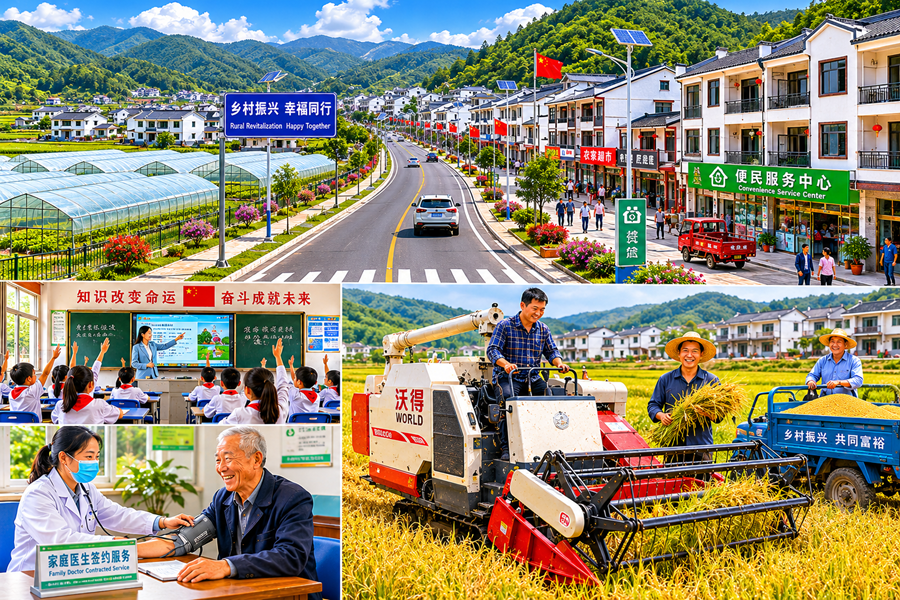
China’s Poverty Revolution Offers Lessons Beyond Borders
BEIJING — Few economic transformations in modern history have matched the scale of China Poverty Alleviation.
Over the last four decades, China lifted nearly 800 million people out of extreme poverty, accounting for more than 70 percent of global poverty reduction during the same period, according to World Bank-backed research.
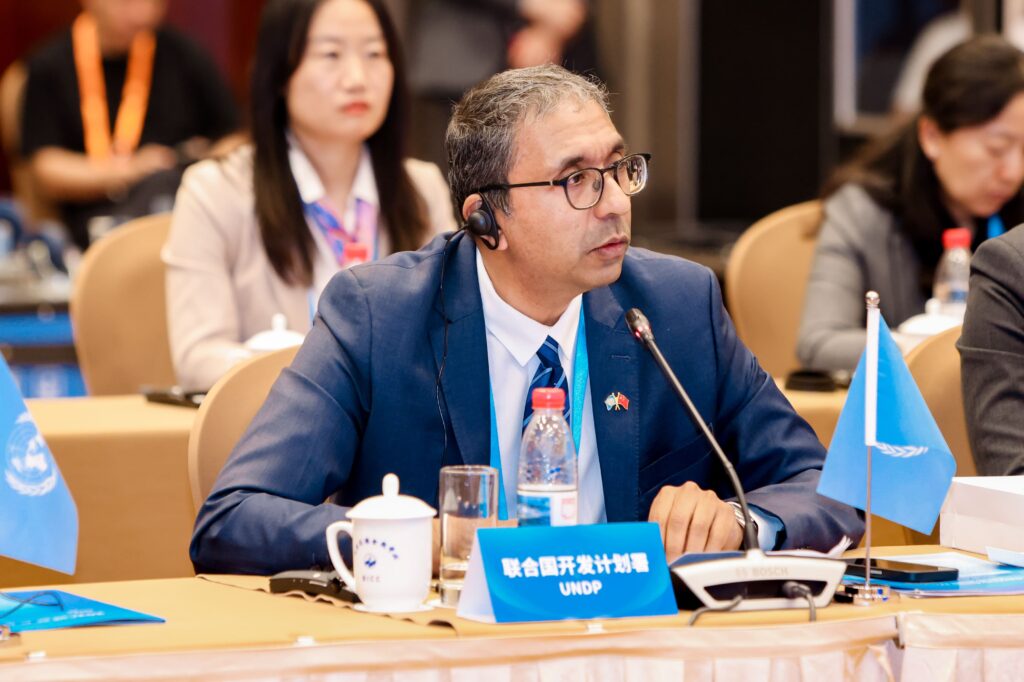
The achievement was highlighted once again during the 2026 Global Poverty Reduction and Development Forum in Beijing, where Indian thinker and public intellectual Sudheendra Kulkarni said China’s experience deserves serious study by countries seeking to improve living standards and accelerate development.
“China’s poverty reduction is one of the most remarkable achievements in human history and offers lessons worth learning from,” he said during discussions at the forum.
The Numbers Behind China Poverty Alleviation
According to the World Bank, the number of Chinese citizens living below the international extreme poverty line fell by close to 800 million people over 40 years. China alone contributed nearly three-quarters of the global reduction in extreme poverty.
Poverty Reduction Snapshot
| Year | Extreme Poverty Rate |
|---|---|
| 1990 | 66.2% |
| 2010 | 11.2% |
| 2015 | 0.7% |
| 2019 | 0.1% |
Source: World Bank poverty data and international estimates.
Visual Trend
China Extreme Poverty Rate

1990  ██████████████████████████████████ 66.2%
2010  ██████ 11.2%
2015  █ 0.7%
2019  ▏0.1%
The figures illustrate a dramatic decline rarely seen at such scale in world history.
How China Did It
Researchers studying China Poverty Alleviation often point to a two-part strategy.
1. Rapid Economic Growth
Beginning with economic reforms in the late 1970s, China shifted toward market-oriented policies while maintaining long-term state planning.
Key measures included:
- Expanding manufacturing industries
- Encouraging exports and global trade
- Building infrastructure at unprecedented scale
- Creating jobs through industrialization
- Investing heavily in transportation and logistics
These reforms transformed China from a largely agrarian economy into the world’s second-largest economy.
2. Targeted Poverty Reduction
China complemented economic growth with focused anti-poverty programs.
These included:
- Direct support to poor rural communities
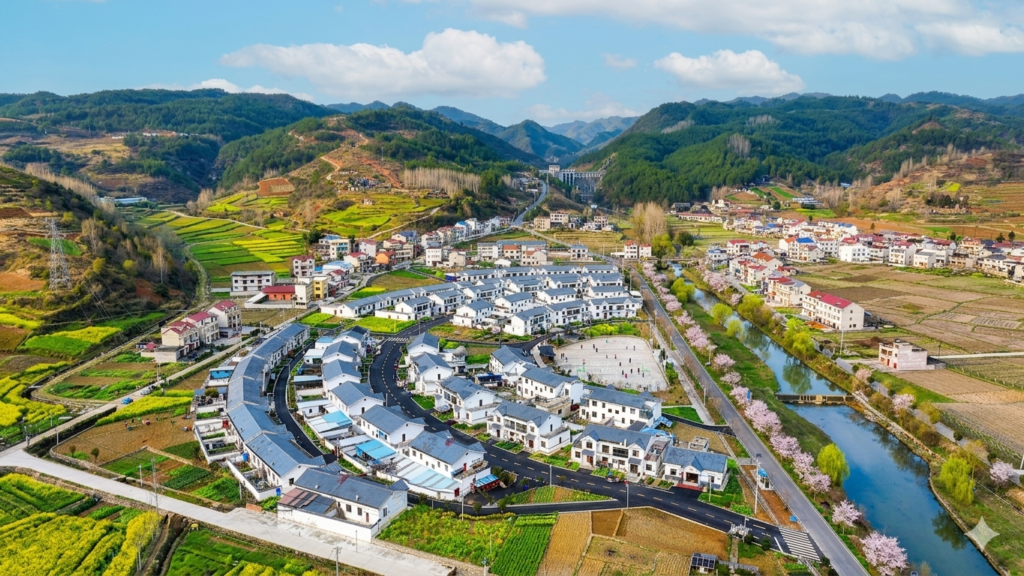
- Rural housing development
- Education assistance programs
- Healthcare expansion
- Infrastructure projects in remote regions
- Local poverty alleviation teams assigned to villages
By the end of 2020, China reported that nearly 99 million rural residents had been lifted above its national poverty line, while all officially designated poor counties were removed from the poverty list.
Why the World Is Paying Attention
Development experts argue that the significance of China Poverty Alleviation goes beyond economics.
For many countries across Asia, Africa, and Latin America, China’s experience demonstrates how infrastructure, industrial growth, education, and targeted public policy can work together to reduce poverty on a massive scale.
The World Bank described China’s achievement as a historic reduction in poverty and emphasized that the experience offers valuable lessons for other developing nations.
Challenges Remain
While China eliminated extreme poverty under its national standards, experts note that new challenges remain.
These include:
- Income inequality
- Regional development gaps
- Aging demographics
- Rural-urban disparities
- Economic security for vulnerable households
Recent studies suggest that although extreme poverty has largely been eliminated, many families remain economically vulnerable and require continued support.
A Historic Achievement With Global Relevance
Whether countries choose to follow the same path or not, the scale of China Poverty Alleviation remains difficult to ignore.
The transformation of nearly 800 million people from extreme poverty into greater economic opportunity represents one of the largest improvements in human living standards ever recorded.
As policymakers gathered in Beijing this year, the central message was clear: every nation may follow its own development path, but successful efforts that improve the lives of millions deserve careful study and meaningful global dialogue.