






By Staff Reporter
March 26, 2026
Across large parts of India, a critical environmental crisis is worsening largely outside daily headlines: groundwater depletion.
While water shortages occasionally make the news during extreme summers, the long-term decline of underground water reserves remains underreported despite its far-reaching consequences.
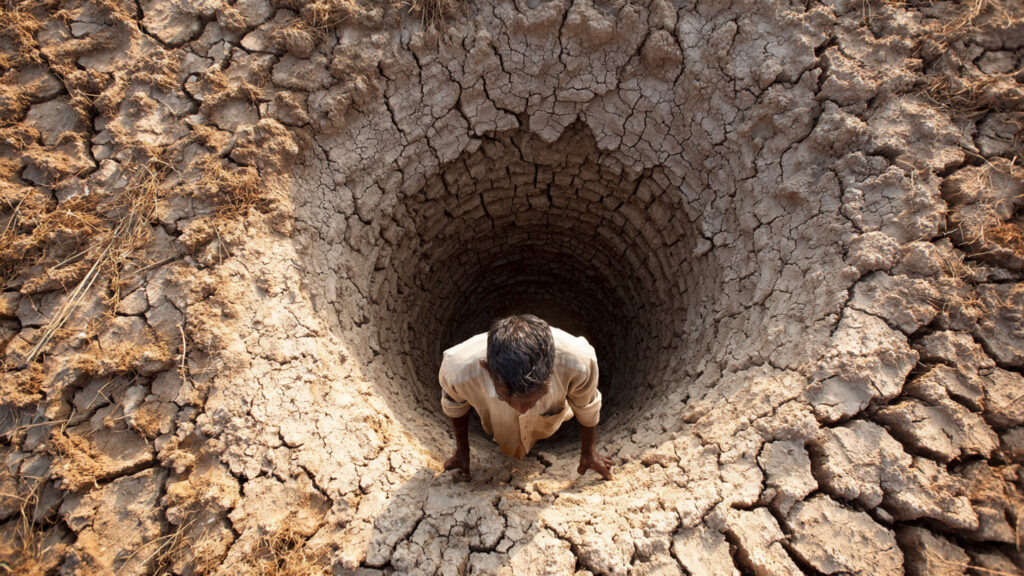
A Hidden Lifeline Under Stress
India is the largest user of groundwater in the world, relying on it for nearly:
- 60–70% of irrigation needs
- 85% of rural drinking water
Government data from the Central Ground Water Board has consistently shown that many regions—especially in states like Punjab, Haryana, and Rajasthan—are extracting water faster than it can naturally recharge.
Why It’s Getting Worse
Several factors are accelerating the crisis:
- Water-intensive crops like rice and sugarcane grown in unsuitable regions
- Free or subsidized electricity, encouraging excessive pumping
- Irregular rainfall patterns, linked to changing climate conditions
- Rapid urbanization reducing natural recharge areas
In many districts, water tables are falling by over one meter per year.
The Urban Blind Spot
Major cities are also at risk. Bengaluru and Delhi already depend heavily on tanker water and borewells.
Experts warn that if current trends continue, several urban centers could face severe water stress within the next decade, even if taps don’t run dry immediately.
Why It’s Not Headline News
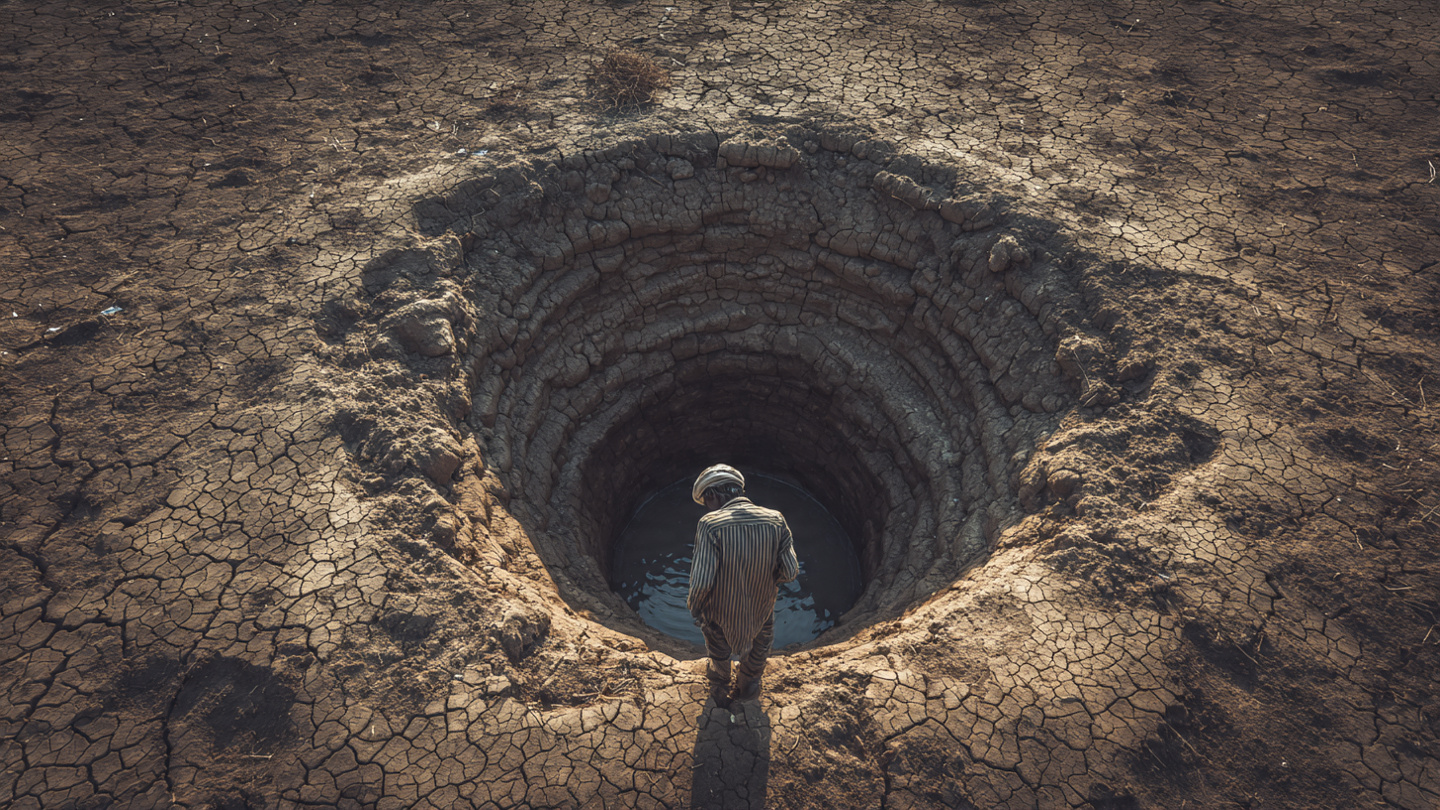
Unlike floods or droughts, groundwater depletion is slow and invisible. There are no dramatic visuals—no overflowing rivers or cracked earth on TV screens.
“It’s a silent crisis,” says hydrologists studying long-term trends. “By the time people notice, the damage is often already severe.”
Efforts to Reverse the Trend
Some initiatives are underway:
- Rainwater harvesting mandates in cities
- Watershed management programs in rural areas
- Awareness campaigns about sustainable water use
However, implementation remains uneven, and enforcement is often weak.
What’s at Stake
Groundwater supports:
- Food production
- Drinking water supply
- Rural livelihoods
Its depletion threatens not just water access, but also economic stability and public health.
The Bigger Picture
India’s groundwater crisis is not new—but its scale and urgency are growing faster than public attention.
Without major changes in policy, agriculture practices, and urban planning, experts warn that this “invisible emergency” could become one of the country’s most defining challenges in the coming years.
