







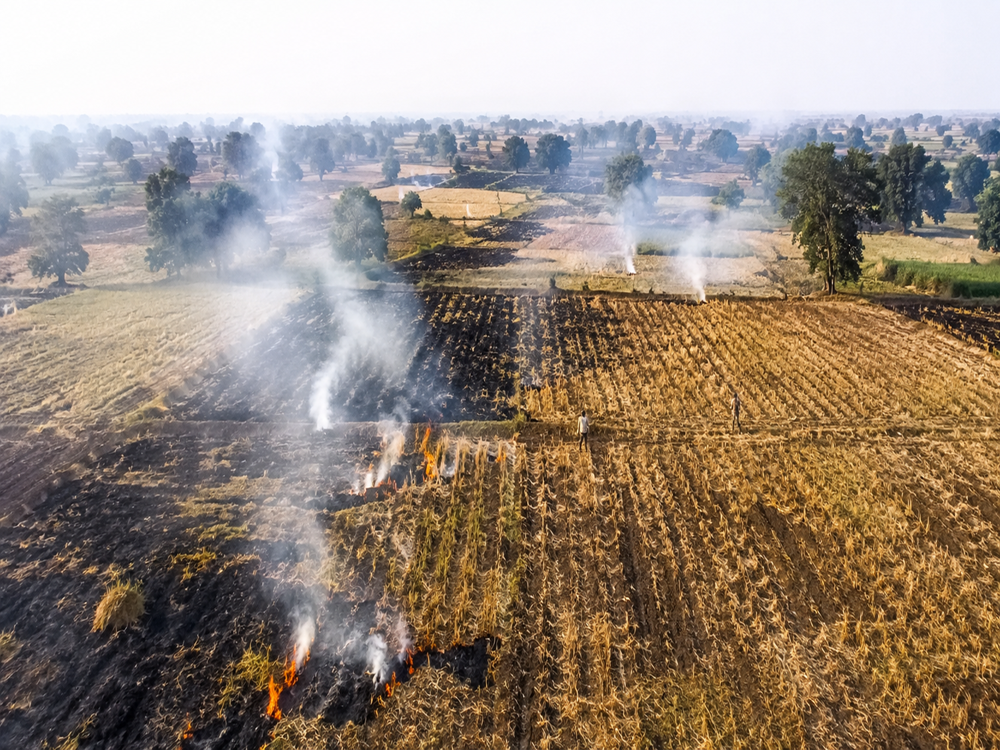
Mancherial Stubble Burning has once again come under scrutiny as widespread burning of agricultural residue is reportedly affecting air quality in parts of the district.
Environmental Effects of Mancherial Stubble Burning
| Environmental Indicator | Relative Impact Level |
|---|---|
| Air Pollution | ██████████ 10/10 |
| Respiratory Health Risk | ████████ 8/10 |
| Soil Nutrient Loss | ███████ 7/10 |
| Visibility Reduction | ██████ 6/10 |
| Carbon Emissions | ████████ 8/10 |
| Ecosystem Impact | ██████ 6/10 |
Interpretation: Air pollution and respiratory health concerns remain the most immediate consequences associated with stubble burning, while soil degradation and carbon emissions represent longer-term environmental challenges.
According to a report published by The Hans India, smoke from crop residue fires has created environmental and health concerns for local communities, particularly during the harvesting season.
The issue highlights the ongoing challenge of balancing agricultural practices with environmental sustainability in Telangana’s farming regions.
Why This Matters
Stubble burning is a significant environmental concern because it releases particulate matter, carbon monoxide, nitrogen oxides, and other pollutants into the atmosphere.
These emissions can contribute to respiratory illnesses, reduce visibility, and degrade local air quality.
For residents living near agricultural fields, prolonged exposure to smoke can aggravate asthma, bronchitis, and other respiratory conditions.
Environmental experts have long warned that recurring crop residue burning can have cumulative effects on both public health and ecological systems.
Background Context
Crop residue burning is a common post-harvest practice used to quickly clear fields before the next sowing cycle.
Farmers often choose this method because it is inexpensive and saves time compared to manual residue management.
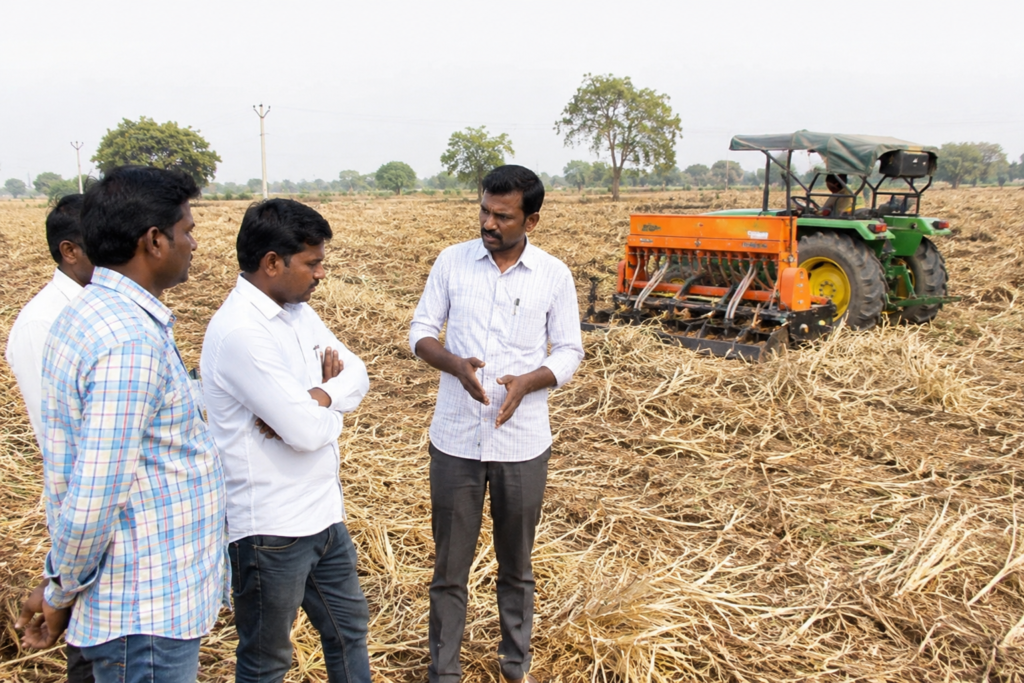
According to agricultural experts, crop residue left after harvesting can be incorporated into the soil, converted into compost, or utilized as biomass for energy generation.
However, the adoption of such alternatives remains limited in many regions due to equipment costs, awareness gaps, and operational challenges.
The problem is not unique to Telangana. Northern Indian states, particularly Punjab and Haryana, have faced similar challenges for years, with stubble burning frequently linked to seasonal air pollution episodes.
Mancherial Stubble Burning and Its Environmental Impact
The latest concerns surrounding Mancherial Stubble Burning underscore the broader environmental implications of residue fires.
When crop residues are burned, valuable organic matter that could enrich soil fertility is destroyed.
Environmental specialists note that repeated burning can reduce soil microbial activity and affect long-term agricultural productivity.
In addition to air pollution, smoke generated by residue fires can impact nearby transportation routes and residential areas, creating safety and health concerns.
Industry Impact
The agricultural sector increasingly faces pressure to adopt sustainable farming methods. Government agencies, agricultural universities, and environmental organizations have promoted residue management technologies such as:
- Happy Seeder machines
- Mulching equipment
- Biomass utilization systems
- Composting techniques
The transition toward sustainable residue management may require greater financial support, awareness campaigns, and access to modern farming equipment.
Agriculture experts argue that long-term solutions must balance environmental objectives with farmers’ economic realities.
Local Relevance for Telangana
For Telangana, Mancherial Stubble Burning serves as a reminder of the environmental challenges facing rapidly developing agricultural districts.
The state has been encouraging climate-resilient farming practices and improved agricultural productivity.
Reducing crop residue burning aligns with broader goals of improving air quality, protecting public health, and promoting sustainable agriculture.
Residents in Telangana’s farming regions are increasingly aware of environmental issues, making air pollution management an important public policy priority.
Expert Analysis
Environmental researchers generally view crop residue burning as a short-term agricultural solution with long-term environmental costs.
While burning provides immediate field clearance, experts emphasize that sustainable residue management can improve soil health, reduce pollution, and support climate goals over time.
Successful implementation, however, depends on coordinated efforts involving farmers, local administrations, agricultural departments, and technology providers.
Comparison With Previous Developments
India has witnessed repeated debates over stubble burning in recent years, particularly in northern states where seasonal smoke contributes to severe air quality deterioration.
Compared with those large-scale episodes, the situation in Mancherial may be more localized.
However, environmental experts caution that smaller-scale residue burning can still significantly affect nearby communities and ecosystems.
The recurring nature of such incidents indicates the need for broader adoption of alternative residue management practices across agricultural regions.
Conclusion
The growing concerns surrounding Mancherial Stubble Burning highlight the intersection of agriculture, environmental sustainability, and public health.
According to reporting by The Hans India, smoke from crop residue fires has become a visible issue in the district, drawing attention to the need for effective residue management solutions.
As Telangana continues to modernize its agricultural sector, reducing Mancherial Stubble Burning through sustainable alternatives could help improve air quality, protect public health, and support long-term soil productivity.
Source attribution: Information regarding the incident and local developments is based on reporting by The Hans India.
8. Key Takeaways
- Crop residue burning has raised air quality concerns in Mancherial district.
- Smoke from agricultural fires can contribute to respiratory and environmental problems.
- Stubble burning remains a commonly used post-harvest field-clearing method.
- Sustainable alternatives include mulching, composting, and biomass utilization.
- Repeated residue burning may affect soil health and agricultural productivity.
- Telangana’s environmental and agricultural goals support reducing crop residue burning.
- Greater awareness and access to residue management technologies may help farmers adopt alternatives.