






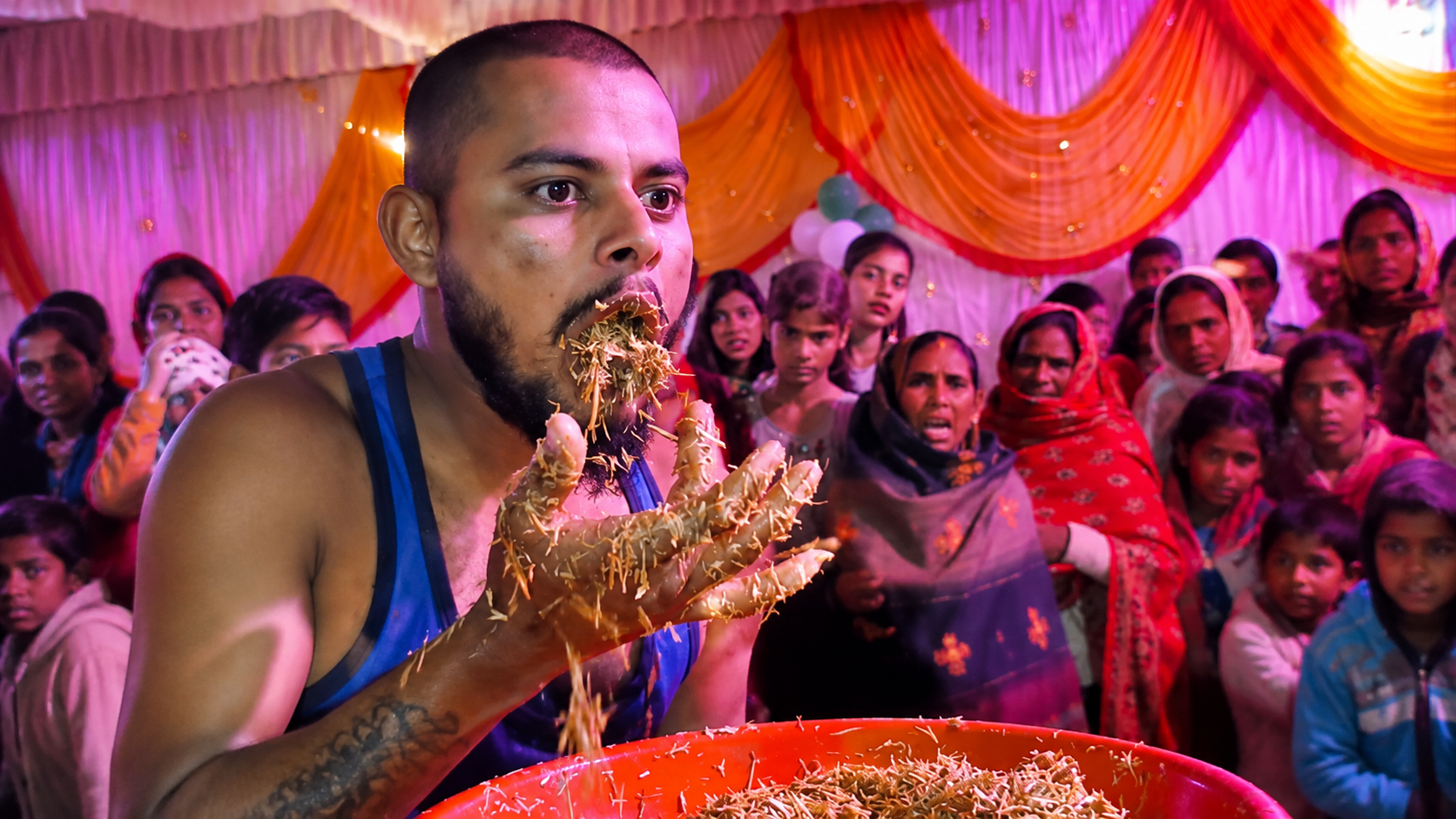
A Viral Husk Eating Video shared on social media has attracted attention after a post on x by RudraYadav claimed that a young boy was eating husk (Bhoosa) “with relish” and challenged viewers’ assumptions about what humans can consume.
The post has generated discussion across online platforms, though the context of the video have not been independently verified.
As with many viral clips, the video’s popularity stems from its ability to surprise viewers and spark conversation about food traditions and dietary practices.
Why This Matters
The Viral Husk Eating Video highlights how social media can rapidly amplify unusual or unexpected content. Such videos often influence public perception, even when limited contextual information is available.
Experts frequently caution that viral posts should be viewed critically until their claims are independently verified.
Background Context
Husk generally refers to the outer protective covering of grains, seeds, or certain agricultural products.
Depending on the crop, some forms of husk are not typically consumed directly by humans, while others may be processed and used in food products, dietary fiber supplements, or traditional preparations.
The social media post accompanying the video expressed surprise that humans could consume husk, reflecting a common perception that such material is intended primarily for livestock feed.
Local Relevance
Although the video’s location remains unclear, food traditions vary widely across India.
Many regional communities consume ingredients that may appear unusual to outsiders but are rooted in local agricultural practices and nutritional knowledge.
The discussion generated by the video reflects India’s diverse culinary landscape and the growing role of digital platforms in highlighting lesser-known traditions.
Expert Analysis
Based solely on the available source material, it is not possible to determine whether the material being consumed is actually husk or another edible agricultural product.
Nutrition experts generally recommend relying on verified information when evaluating dietary claims circulating on social media.
Comparison With Previous Developments
Viral food-related videos have frequently attracted attention online, from unusual regional dishes to traditional eating practices unfamiliar to broader audiences.
This video WEIRD FOODS AROUND INDIA made me realise even Indians have strange foods, I never thought it could be linked to culture and tradition
Similar posts often generate significant engagement because they challenge assumptions and encourage discussion about culture, agriculture, and nutrition.
Conclusion
The Viral Husk Eating Video illustrates how unexpected content can quickly gain traction online and spark broader conversations about food habits and cultural practices.
While the video’s claims remain unverified, the discussion underscores the importance of context, fact-checking, and understanding diverse dietary traditions before drawing conclusions.
Key Takeaways
- A Viral Husk Eating Video has gained attention on social media.
- The accompanying post claims a boy was eating husk, though the context is unverified Independently.
- The video has triggered discussion about food habits and nutrition.
- Experts recommend verifying claims made in viral content.
- The incident highlights social media’s influence on public perception.

A senior journalist with investigative skills who can promote reform by persistently drawing attention to wrongdoing and otherwise positively advancing society.