








The Telegram Pump and Dump Scam: How a Mumbai Family Allegedly Manipulated 82 Stocks and Trapped Thousands of Investors.
India’s stock market regulator, the Securities and Exchange Board of India (SEBI), has launched strong action against a Mumbai-based family accused of running a large-scale Telegram pump and dump scam that allegedly generated more than Rs 20 crore in illegal profits.
According to SEBI’s interim findings, the accused used Telegram channels, WhatsApp groups, and X (formerly Twitter) to artificially inflate stock prices and lure retail investors into buying shares at inflated levels.
The case has once again highlighted the growing dangers of unverified stock tips circulating on social media platforms.
What Is the Telegram Pump and Dump Scam?
A pump and dump scam is a fraudulent market manipulation technique where operators first buy shares quietly at low prices.
They then aggressively promote those shares using misleading claims, fake hype, or exaggerated projections to create artificial demand.
Once prices rise sharply, the operators sell their holdings at a profit, causing the stock to collapse and leaving ordinary investors with losses.
In this alleged Telegram pump and dump scam, SEBI claims the accused targeted low-liquidity SME stocks that could be manipulated more easily due to lower trading volumes.
How the Alleged Telegram pump and dump scam Worked
According to SEBI’s findings, the operation reportedly followed a carefully planned pattern:
Step 1: Secret Accumulation
The accused allegedly accumulated shares of little-known SME companies before any public promotion began.
Step 2: Social Media Promotion
The stocks were then promoted aggressively through:
- Telegram investment channels
- WhatsApp groups
- X (Twitter) posts
- Coordinated online recommendations
The messages reportedly described the stocks as “multibaggers” or high-growth opportunities.
Step 3: Retail Investor Buying Frenzy
As thousands of investors followed the recommendations, stock prices surged rapidly due to increased demand.
Step 4: Dumping the Shares
Once prices reached inflated levels, the operators allegedly sold their holdings, booking large profits while the stock prices crashed afterward.
Scale of the Investigation
SEBI’s investigation suggests the alleged Telegram pump and dump scam may have impacted:
- 82 low-liquidity SME stocks
- Nearly 80,000 investors
- Illegal profits estimated at around Rs 20.25 crore
The regulator has now frozen assets linked to the accused and barred them from accessing the securities market during the ongoing investigation.
Why Small Investors Are Most Vulnerable
The case exposes a harsh reality of today’s digital investing culture: many retail investors rely heavily on social media influencers and online “stock experts” for financial advice.
Experts say scams like these work because they exploit:
- Fear of missing out (FOMO)
- Lack of financial education
- Desire for quick profits
- Blind trust in viral recommendations
If a stock is being aggressively pushed on Telegram or WhatsApp with promises of guaranteed returns, investors should treat it as a warning sign rather than an opportunity.
WHO ARE THE ACCUSED / MASTERMIND BEHIND THIS?
The people accused in the alleged stock market scam are members of the Gupta family based in Mumbai.
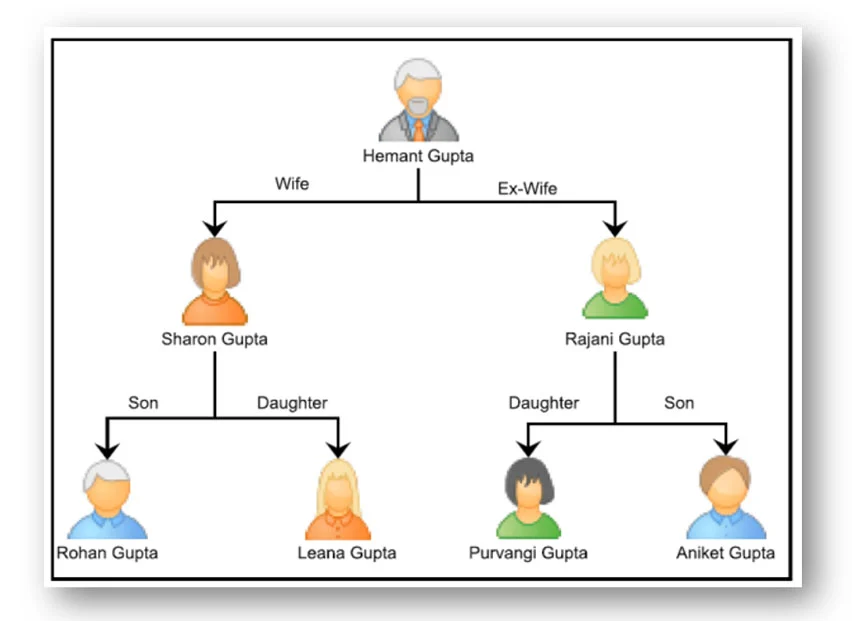
According to SEBI’s probe, the seven individuals named include Hemant Gupta, his sons Rohan Gupta and Aniket Gupta, along with Sharon Gupta, Leana Gupta, Rajani Gupta, and Purvangi Gupta.
Rohan Gupta reportedly operated a social media account called “WealthSolitaire,” while Aniket Gupta managed another handle known as “desiwallstreet.”
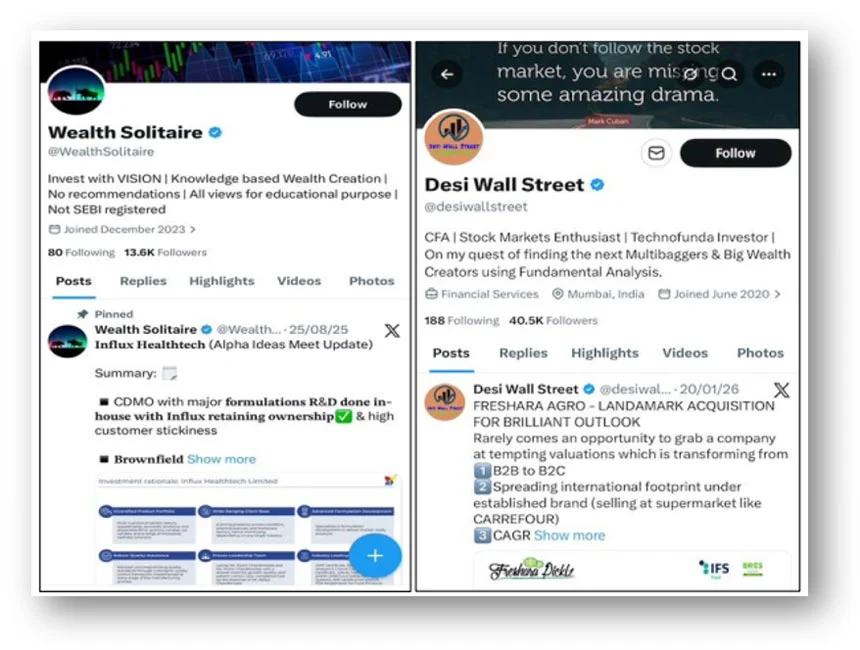
Together, these accounts had more than 54,000 followers on X (formerly Twitter).
Investigators also found that the group allegedly controlled over 50 WhatsApp groups and Telegram channels with nearly 80,000 members.
SEBI claims the family followed a planned strategy to manipulate stock prices.
They allegedly first purchased shares of small and low-trading stocks quietly, before promoting them heavily online through social media recommendations and investment tips.
As more retail investors started buying these shares, stock prices rose sharply.
The accused then allegedly sold their holdings at higher prices, making large profits while many late investors suffered significant losses after the prices crashed
When The Scam Started?
According to SEBI, the alleged scam operated between December 2023 and January 2026 and involved the manipulation of 82 small-cap and low-liquidity stocks.
During this period, the accused family allegedly used social media platforms to influence investor sentiment and artificially inflate stock prices.
One of the companies highlighted in the investigation was Afcom Holdings. SEBI stated that the group allegedly purchased shares of the company before aggressively promoting the stock online with promises of strong future returns and profit potential.
As retail investors rushed to buy the stock, trading activity and prices increased significantly.
The regulator noted that the trading value linked to the accused surged from around Rs 548.62 crore during the pre-investigation phase to nearly Rs 1,023.40 crore during the examination period.
Their reported profits also jumped sharply — rising from approximately Rs 17.06 crore to Rs 58.40 crore.
SEBI has alleged that the accused violated provisions of the SEBI Act and the PFUTP (Prohibition of Fraudulent and Unfair Trade Practices) regulations, which are designed to prevent market manipulation and fraudulent trading activities.
Additionally, SEBI stated that Hemant Gupta, Rohan Gupta, and Aniket Gupta allegedly violated Research Analyst Regulations by providing stock recommendations and investment advice without obtaining the mandatory regulatory registration required to operate as research analysts in India.
How Was the Scam Uncovered?
The alleged scam began to unravel after SEBI conducted search and seizure operations in January 2026.
During the raids, investigators reportedly recovered chat conversations and digital evidence that exposed how the operation was being planned and coordinated behind the scenes.
According to SEBI’s findings, some of the messages showed direct instructions related to promoting certain stocks online to artificially boost prices.
In one alleged conversation, Hemant Gupta reportedly instructed his son to post about a stock on social media so that it would continue hitting “upper circuits” for multiple trading sessions.
In stock market terminology, an “upper circuit” refers to the maximum price increase a stock is allowed to reach in a single trading day before trading restrictions are triggered.
Repeated upper circuits often create excitement among retail investors, attracting more buyers and pushing prices even higher.
SEBI believes these online promotions were part of a carefully coordinated “pump and dump” strategy designed to manipulate investor sentiment and inflate stock prices artificially.
Following the investigation, SEBI has taken strict interim action against the accused. The regulator has:
- Impounded approximately Rs 20.25 crore believed to be illegal gains
- Frozen bank accounts and properties linked to the accused family
- Barred all seven accused individuals from buying, selling, or dealing in securities until further notice
The investigation remains ongoing as SEBI continues to examine the full extent of the alleged stock manipulation network.
In its 234-page interim order, SEBI stated:
“This is an interim order being passed during the pendency of the investigation, as it has been noted that noticees had prima facie engaged in fraud, manipulation and unfair trade practices.”
The case has become one of the most talked-about examples of how social media platforms like Telegram, WhatsApp, and X can allegedly be misused to influence stock prices and mislead retail investors.
Warning Signs of a Pump and Dump Scam
Investors should remain cautious if they notice:
- Sudden hype around unknown stocks
- Guaranteed profit claims
- “Upper circuit” promises
- Viral Telegram stock tips
- Heavy promotion without business fundamentals
- Pressure to buy quickly
Most genuine investments are backed by company performance, earnings, and credible financial analysis — not social media excitement.
Bigger Questions for India’s Digital Investment Ecosystem
The alleged Telegram pump and dump scam also raises serious questions about how social media platforms are being used to influence financial markets.
With millions of young Indians entering the stock market through mobile apps and online communities, experts believe financial literacy and stricter monitoring of digital investment promotions have become more important than ever.
The case serves as a reminder that in the stock market, quick riches often come with hidden risks.
FINAL TAKE AWAY
The alleged Telegram pump and dump scam uncovered by SEBI is not just another financial fraud case.
It is a warning about the growing influence of social media on retail investing decisions.
As investigations continue, the episode underscores a critical lesson for investors: always research independently, verify financial advice, and avoid making investment decisions based solely on online hype.
In the end, disciplined investing and informed decision-making remain the strongest protection against market manipulation.