








India GDP Growth FY26 reached 7.7%, according to provisional estimates released by the Ministry of Statistics and Programme Implementation (MoSPI).
Download – Provisional Estimates of Annual GDP for 2025-26 and Quarterly Estimates for Q4 2025-26 in pdf
The latest data indicates that Asia’s third-largest economy maintained strong momentum during the financial year despite global economic uncertainty and geopolitical challenges.
According to official government data, India’s gross domestic product expanded faster than earlier projections, underscoring the resilience of domestic consumption, investment activity, and infrastructure-led growth.
| Economic Indicator | FY26 Result |
|---|
| Real GDP Growth | 7.7% |
| Q4 GDP Growth (Jan-Mar) | 7.8% |
| Real GVA Growth | 7.9% |
| Nominal GDP Growth | 8.9% |
| Real GDP Size | ₹323.12 lakh crore |
| Nominal GDP Size | ₹346.36 lakh crore |
Source: Official MoSPI estimates and Reuters-reported economic data referenced in public coverage of the FY26 GDP release.
Data Insights
• FY26 growth exceeded the government’s earlier estimate of 7.6%, indicating stronger-than-expected economic performance.
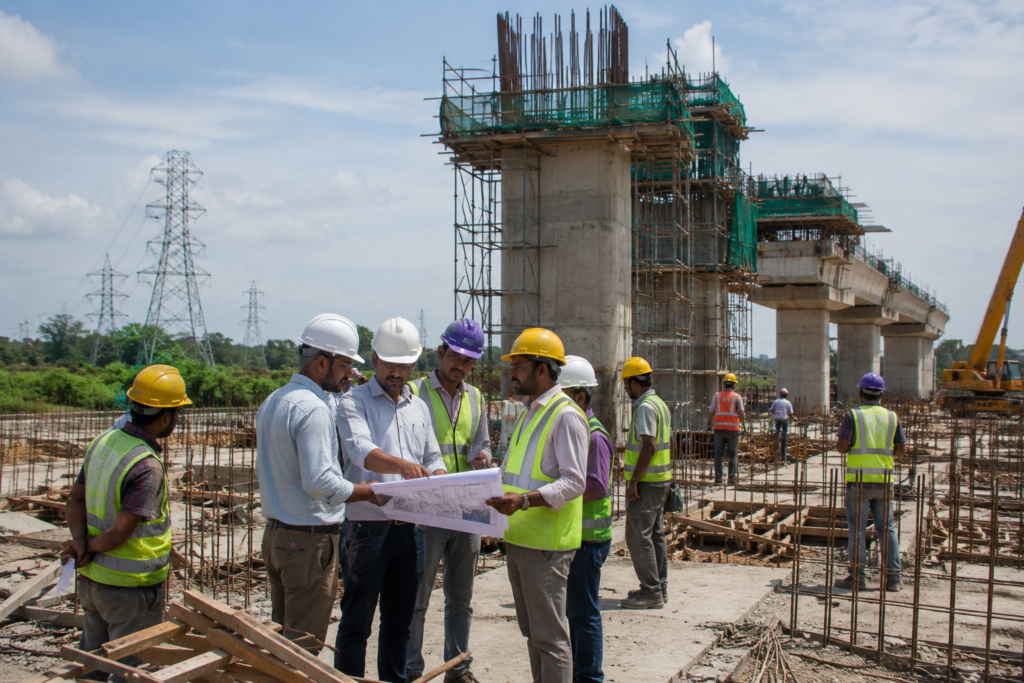
• Construction, infrastructure spending, and domestic demand remained key growth drivers.
• Real GVA growth (Growth Value Added) of 7.9% suggests broad-based economic expansion across productive sectors.
• The 7.8% growth recorded during the January-March quarter indicates momentum remained strong through the end of the fiscal year.
• India’s growth trajectory continues to compare favorably with most major global economies, reinforcing its position as a leading emerging market.
Why This Matters
The India GDP Growth FY26 figures provide an important measure of the country’s economic health.
Strong growth supports employment generation, government revenues, private investment, and consumer confidence.
For businesses, investors, and policymakers, GDP performance serves as a critical indicator of economic momentum and future growth potential.
A stronger-than-expected expansion can also reinforce India’s position among the world’s fastest-growing major economies.
Background Context
According to official estimates, India’s economy has continued to outperform many major global economies in recent years.
Growth has been supported by public infrastructure spending, a recovering manufacturing sector, expanding services activity, and robust domestic demand.
As reported by Reuters, India’s January-March quarter growth was estimated at 7.8%, contributing to the overall FY26 expansion.
The data reflects continued resilience despite concerns surrounding global trade disruptions, inflationary pressures, and geopolitical tensions.
Industry Impact
The India GDP Growth FY26 performance is likely to have implications across multiple sectors.
Construction and infrastructure emerged as significant contributors to economic activity, while private investment continued to support growth.

Strong economic expansion may encourage further capital expenditure by businesses and strengthen investor confidence.
Financial institutions, manufacturing firms, real estate developers, and consumer-focused sectors could benefit from sustained economic momentum if current trends continue.
Local Relevance
For Hyderabad and Telangana, strong national economic growth can support increased investment flows, infrastructure development, IT sector expansion, and employment opportunities.
Hyderabad remains one of India’s leading technology and startup hubs.
Continued economic expansion at the national level may create favorable conditions for technology companies, real estate development, and industrial investments across Telangana.
Expert Analysis
According to Reuters, domestic demand remains a major driver of India’s economic growth story.
The latest figures suggest that internal economic activity continues to provide stability even as global markets face uncertainty.
At the same time, economists have cautioned that external risks, including geopolitical tensions and energy price volatility, could influence future growth trajectories.
However, the FY26 data indicates that India’s economy entered the new fiscal year from a position of relative strength.
Comparison With Previous Developments
The India GDP Growth FY26 figure exceeded earlier government estimates of 7.6%, highlighting stronger-than-anticipated economic performance.
Compared with several advanced economies experiencing slower growth, India continues to maintain one of the highest growth rates among major global economies.
The latest data reinforces a trend observed in recent years where domestic demand and infrastructure investment have played central roles in supporting expansion.
Conclusion
India GDP Growth FY26 reached 7.7%, surpassing earlier projections and reflecting continued economic resilience.
According to official estimates, strong domestic demand, investment activity, construction growth, and infrastructure spending helped drive expansion during the fiscal year.
While global uncertainties remain, the India GDP Growth FY26 figures indicate that the country’s economy continues to demonstrate robust momentum and remains among the fastest-growing major economies worldwide.
Key Takeaways
• India GDP Growth FY26 was recorded at 7.7%.
• The growth rate exceeded earlier government estimates of 7.6%.
• January-March quarter GDP growth was estimated at 7.8%.
• Domestic demand and investment activity remained key growth drivers.
• Construction and infrastructure sectors contributed significantly to expansion.
• India continues to rank among the world’s fastest-growing major economies.
• External risks such as geopolitical tensions remain factors to watch.