








In a significant leadership development, Air India CEO Campbell Wilson has stepped down from his role, marking a pivotal moment in the airline’s ongoing transformation journey.
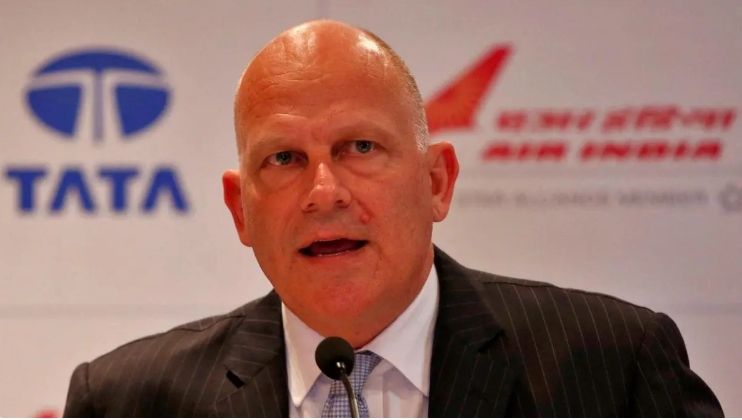
The move comes as the Tata-owned carrier continues to execute an ambitious turnaround strategy aimed at restoring its global stature.
Key Highlights
- Campbell Wilson resigns as CEO of Air India
- Leadership transition initiated amid ongoing transformation efforts
- Move comes during a critical phase of fleet expansion and restructuring
- Tata Group remains committed to long-term airline revival
- Industry watches closely for successor and strategic direction
- Transition expected to maintain operational continuity
Wilson, who took charge in 2022 following Air India’s privatization, played a central role in initiating structural reforms, fleet modernization, and service upgrades. His departure signals a transition phase as the airline recalibrates leadership to align with its next stage of growth.
Leadership Transition Underway
According to official statements, the transition process has already begun, with interim arrangements expected to ensure continuity in operations and strategic execution.
While the company has not disclosed the immediate successor, industry observers anticipate a leadership choice aligned with Air India’s aggressive expansion plans.
A Transformational Phase
Air India has been undergoing one of the most extensive overhauls in global aviation, including:
- A record aircraft order aimed at fleet renewal
- Integration of multiple airline entities under a unified structure
- Revamp of customer experience and digital systems
- Expansion of international routes and market share
Wilson’s tenure was closely associated with laying the foundation for these initiatives.
Industry Implications
The resignation raises key questions about:
- Continuity of strategy: Whether ongoing transformation plans will proceed seamlessly
- Leadership vision: The direction the next CEO will take in scaling operations
- Market confidence: Investor and customer sentiment during the transition
Aviation analysts suggest that while leadership changes can create short-term uncertainty, Air India’s structural roadmap under Tata ownership remains robust.
Strategic Outlook
The Tata Group has consistently emphasized its long-term commitment to rebuilding Air India into a world-class airline.
The leadership transition is likely part of a broader strategic recalibration rather than a disruption.
Experts note that the next phase will require:
- Strong execution capabilities
- Global aviation experience
- Focus on profitability alongside expansion
