








washington DC – The Smithsonian Institution’s National Museum of Asian Art in the United States
has announced the repatriation of three priceless ancient Indian bronze sculptures following a comprehensive provenance investigation.
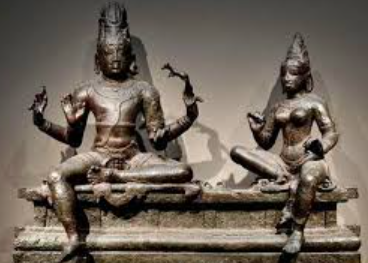
This decision marks a significant step in global efforts to restore cultural heritage and uphold ethical museum practices.
The move reflects the growing international recognition that artefacts removed through illicit means must be returned to their countries of origin, especially when they carry deep religious, historical, and civilizational value.
Ancient Indian Sculptures Identified for Repatriation
The three sculptures being returned to India are extraordinary masterpieces of South Indian bronze artistry:
- Shiva Nataraja – Chola dynasty, circa 10th century
- Somaskanda – Chola dynasty, 12th century
- Saint Sundarar with Paravai – Vijayanagar period, 16th century
These sacred bronzes were originally housed in Hindu temples across Tamil Nadu and were used in religious rituals, temple festivals, and ceremonial processions.
They were not created as decorative objects but as living icons of worship.
Provenance Investigation Reveals Illegal Removal
The Smithsonian launched a systematic review of its South Asia collection as part of its ethical compliance framework.
In 2023, archival research revealed photographs showing these bronzes in Tamil Nadu temples between 1956 and 1959.
Further verification by the Archaeological Survey of India (ASI) confirmed that all three artefacts had been removed in violation of India’s Antiquities and Art Treasures Act.
The investigation also established that the Shiva Nataraja originated from the Sri Bhava Aushadesvara Temple and was illegally exported and sold to the Smithsonian in 2002 using falsified provenance documents.
Long-Term Loan Agreement with Full Transparency
Although all three sculptures will be formally returned to India, the Government of India has agreed to place the Shiva Nataraja on a long-term cultural loan with the Smithsonian Museum.
It will remain on public display in the museum’s South and Southeast Asian galleries.
Importantly, the display will include full disclosure of its illegal removal and subsequent restitution, ensuring that visitors learn the complete historical and ethical story of the artefact.
Museum officials stated that this approach promotes transparency, public education, and global respect for cultural ownership.
Why Chola Bronzes Are Globally Significant
- Chola bronzes are renowned for their advanced lost-wax metal casting technique
- They represent some of the highest achievements in Indian sacred art
- Temple icons were traditionally treated as living deities, not museum objects
- Their removal disrupted religious traditions and community heritage
India–US Cooperation on Cultural Heritage
The Smithsonian is working closely with the Embassy of India to complete the repatriation process. International archival institutions, researchers, and heritage experts collaborated to trace the sculptures’ origins and establish legal ownership.
This historic move is expected to strengthen India–United States cooperation in cultural heritage protection and set a powerful precedent for the global return of looted antiquities.
A Global Shift Toward Ethical Museums
The return of these sacred Indian bronzes signals a broader transformation in how major museums worldwide handle cultural property.
Provenance research, legal accountability, and respect for source communities are now becoming central pillars of museum ethics.
India’s cultural heritage, once scattered through illicit trafficking, is steadily finding its way home.