







The revelations surrounding Anganwadi centers are deeply concerning and demand immediate intervention. The integrity of nutrition programs hangs in the balance, and it is imperative that corrective measures are implemented swiftly to restore trust and ensure the effective delivery of services to those who need them most.





Editor's Picks



















Popular Now



NASA Prepares for Historic Artemis II Moon Mission – As the world watches closely, NASA is preparing…

Latest Articles

NASA Prepares for Historic Artemis II Moon Mission – As the world watches closely, NASA is preparing to launch Artemis II, a…

March 28, 2026: Earth Hour 2026, the global environmental movement launched by the World Wildlife Fund (WWF) in 2007, is marking its…

By Staff ReporterMarch 26, 2026 Across large parts of India, a critical environmental crisis is worsening largely outside daily headlines: groundwater depletion.…

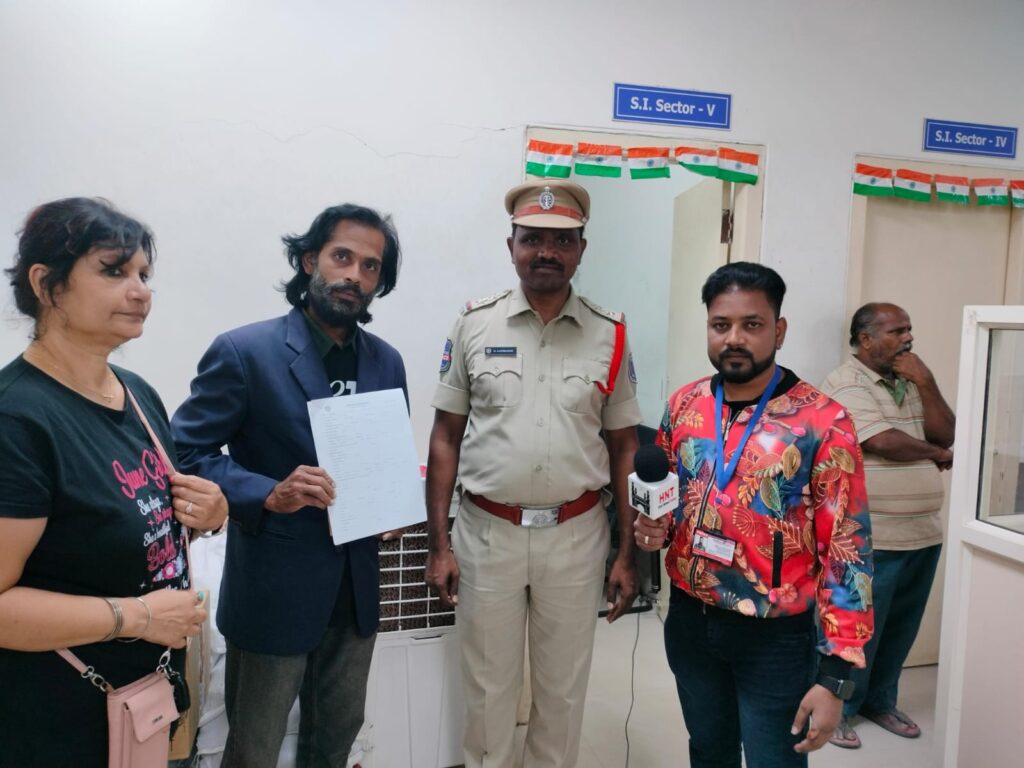
PETA activist Saleem, accompanied by reporter Rahul and S.I. Laxmaiah, took a firm stand against animal cruelty by lodging an FIR in response to a shocking canicide incident. The brutal killing of innocent dogs in Dammaiguda has sparked outrage, and this united effort aims to bring the culprits to justice. This action sends a strong message that animal lives matter, and cruelty will not go unpunished.
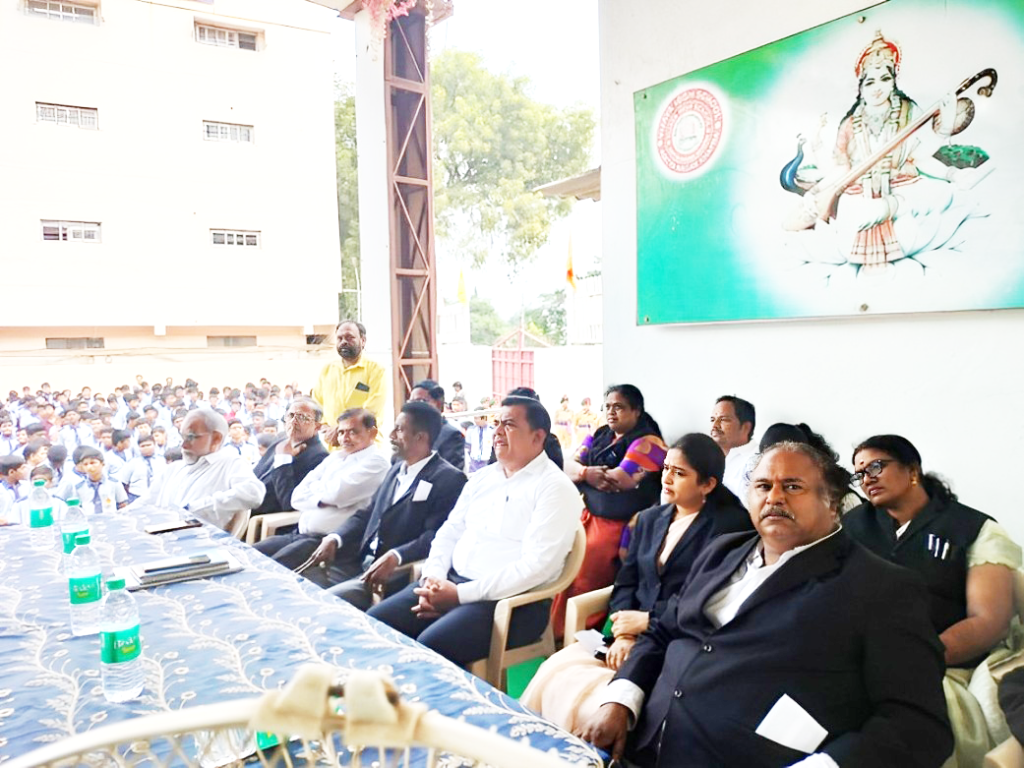
On Children’s Day, a Senior Judge and the Secretary of the District Legal Services Authority (DLSA) from Medchal Malkajgiri Court visited Vijaya High School in Aditya Nagar, Khapra Mandal, to discuss the importance of child safety and rights. Addressing students and teachers, they highlighted the need for awareness in an era of rising concerns over child exploitation.

The Ministry of New and Renewable Energy is set to host a ‘Chintan Shivir’ on Nov 14-15 in Bhubaneswar. This strategic gathering…

External Affairs Minister S. Jaishankar recently met US National Security Advisor Jake Sullivan in Washington, marking a significant step towards deepening the strategic partnership between India and the United States. The meeting focused on strengthening bilateral ties, addressing global and regional challenges, and expanding cooperation in critical and emerging technologies. These discussions underscored the two nations’ shared commitment to regional stability and advancing clean energy initiatives, particularly in the Indo-Pacific and Middle East regions.
Gaming Zone