







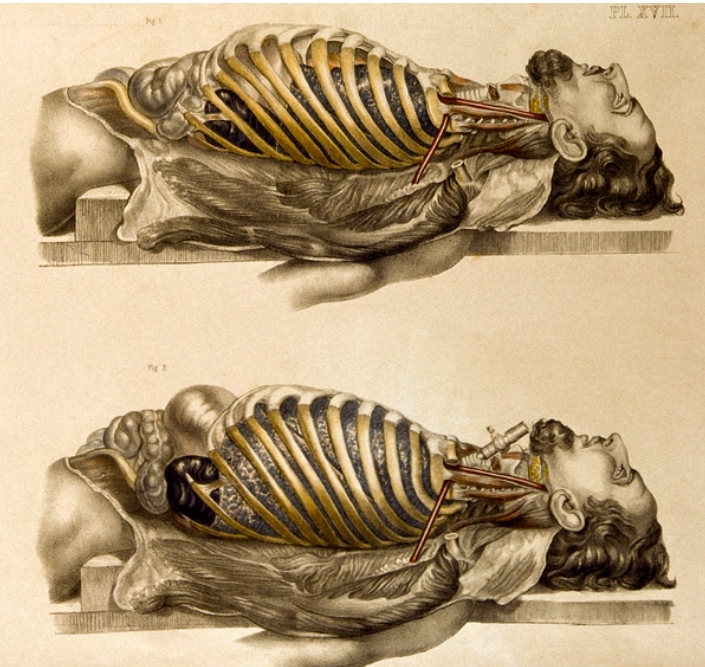
Most people believe that death is a clean, instant shutdown of the body.
In reality, death is not an ending — it is a biological transition phase known as the twilight of death.
When the heart stops beating, oxygen supply to the brain collapses within minutes.
Neurons and nerve cells are the first to die. Shortly after, vital organs such as the liver, kidneys, pancreas, and heart begin to shut down — typically within one hour. Skin, connective tissue, heart valves, and corneas may survive up to 24 hours, while certain immune cells can remain alive for up to three days.
Science has discovered that some of your genes turn ON after you die. And what they do is terrifying. Death is not the end. Inside your cells, a final genetic war begins.
But the most disturbing discovery comes from what happens inside the DNA of these surviving cells.
The Post-Death Genetic Awakening
Modern genetic research has revealed something shocking:
After death, some genes don’t shut off — they turn on.
This process is called post-mortem gene transcription, where DNA continues producing RNA even after the organism has clinically died. Many of these activated genes are linked to:
- Cell repair
- Stress response
- Inflammation
- Growth and regeneration
- Cancer-related pathways
It is as if the cells realize they are dying — and make a last desperate attempt to survive.
This sudden activation of survival and growth genes is chaotic, uncontrolled, and biologically dangerous.
Why This Matters for Organ Transplants
Doctors have long observed that transplanted organs carry a higher risk of developing cancer, even when:
- The donor organ was cancer-free
- The recipient’s immune suppression is controlled
- All safety screenings are passed
Emerging research suggests that this increased cancer risk may not come from the recipient — but from the donor’s dying cells.
When organs are harvested during the twilight of death, the cells inside them may already be in a genetic panic mode.
These cells, having activated growth and survival genes, are primed to multiply aggressively once placed in a new body — a perfect setup for tumor formation.
In simple terms:
The donor’s dying cells may be biologically programmed to survive at any cost — even if that survival turns cancerous inside a new host.
A Final, Terrifying Irony
Death does not immediately silence life.
Instead, it may unleash a genetic survival storm — a last rebellion of the body’s cells against extinction.
And in rare but tragic cases, that rebellion continues…
Inside someone else.
Why This Is One of the Scariest Facts in Science
Because it shows that death is not a clean switch-off — it is a biological struggle, where cells fight desperately to stay alive, even if their fight turns destructive.
Your body may die…
But some of your cells may still be trying to live.